



Your top questions answered
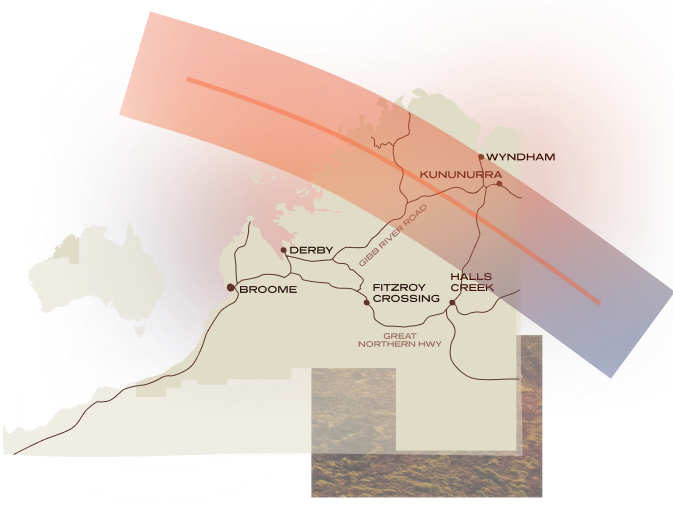
It begins in the Indian Ocean, crossing over Australia’s Cocos (Keeling), and Christmas Islands. After sweeping Western Australia’s northern Kimberley coast, the eclipse makes landfall in the Kimberley region before travelling across central Northern Territory, Queensland and New South Wales. It then passes over Sydney before heading out to New Zealand.
The Total Solar Eclipse will occur on Saturday 22 July 2028. Maximum totality is expected at around 11am, with the exact time varying slightly depending on where within the Kimberley the eclipse is viewed. A partial eclipse will be visible for around 1½ hours before and after totality.
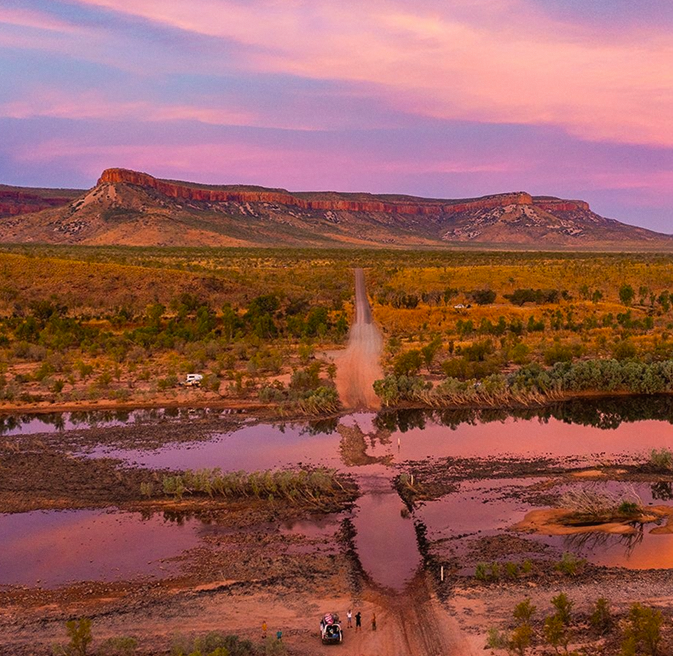
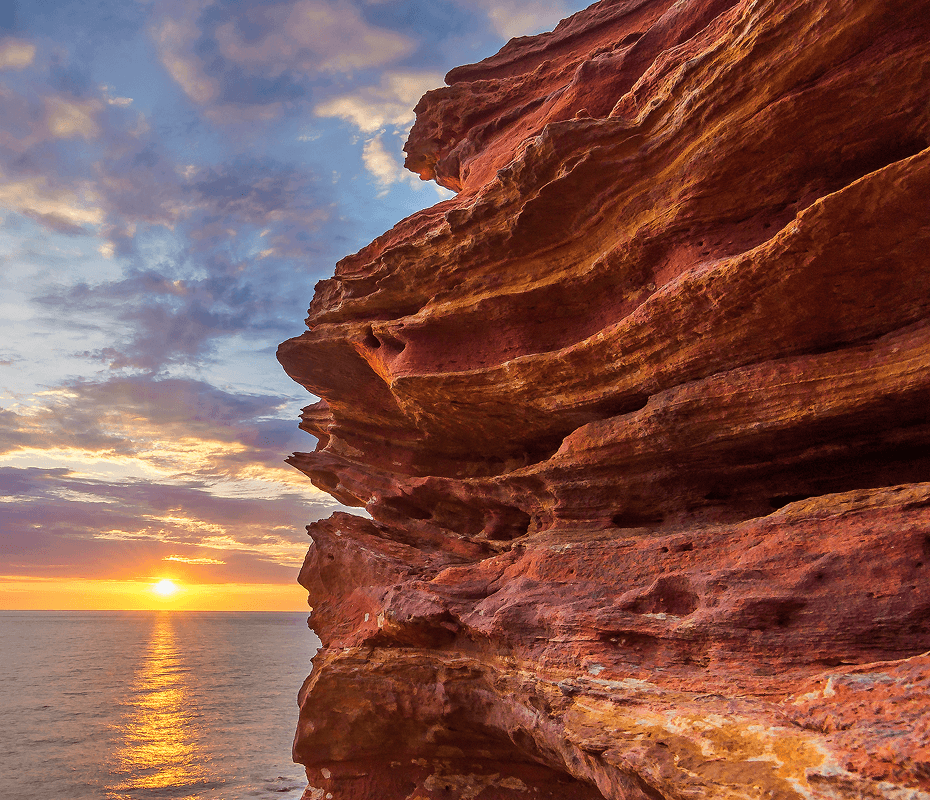
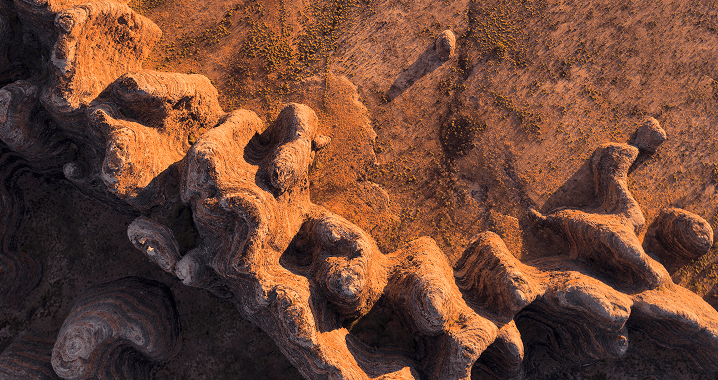
The Kimberley is Western Australia’s northern most region, representing one sixth of the State’s land mass. Covering around 420,000km2, the region is bigger than Germany, and nearly twice as big as Victoria, Australia. It is a remote region with approximately 40,000 residents across its vast area, and is famous for stunning landscapes, wilderness experiences, and rich Aboriginal culture.
Access to the Kimberley region can be by road or air, through its western gateway of Broome (2,200 km from Perth) and eastern gateway of Kununurra (830 km from Darwin, Northern Territory).
- Travelling by road, the journey into the region makes for an unforgettable Australian outback roadtrip. The adventure from Broome to Kununurra spans 1,000 km via the Great Northern Highway, or 930 km via the legendary Gibb River Road for those taking the iconic 4WD route.
- Major airports in Broome and Kununurra have daily services operating from Perth, Darwin, and the Eastern seaboard (depending on the airport).
More information to plan your trip, including suggested itineraries, sights, and experiences to enjoy whilst in the region for the Eclipse, is available from:
Australia’s North West – australiasnorthwest.com
Kununurra Visitor Centre - visitkununurra.com